Programs

Training built
around your body

Nine starting points, one way of working. Pick the one that sounds like you.

Book my free session

60 to 75 minutes with a coach, in Berlin Mitte.

FormatOne to one or with a partner
Session60 minutes, Berlin Mitte
Starting pointsNine
Starts with a free trialAssessment first, program second
Programs and focus areas

Where do you start?

Open a card for who it is for and what we change in the hour. For conditions and life phases, build your training note.

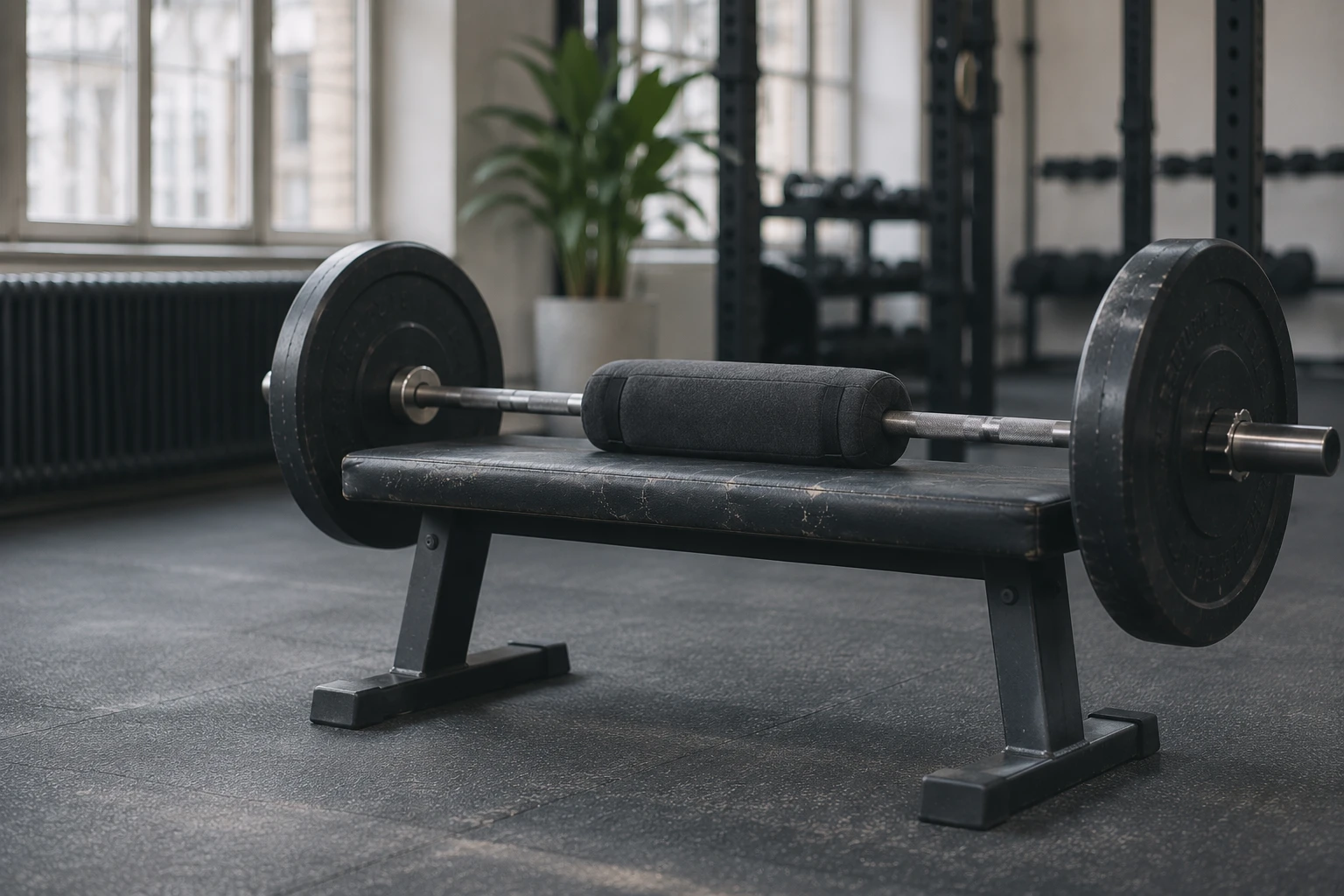
A barbell with a hip-thrust pad resting across a flat benchStrength
All levels·60 min

Glute and core training

Hip thrust, split squat, carries. Steady first, then heavy.

Who this is for

Women who want stronger glutes and a steadier core, for everyday life or for sport.

How training is adapted

Heavier on the days you feel strong, more stability work on the days you do not. We ask where you are in your month before we load the bar.

What progress looks like

The bar goes up a little every two weeks and it is written down.
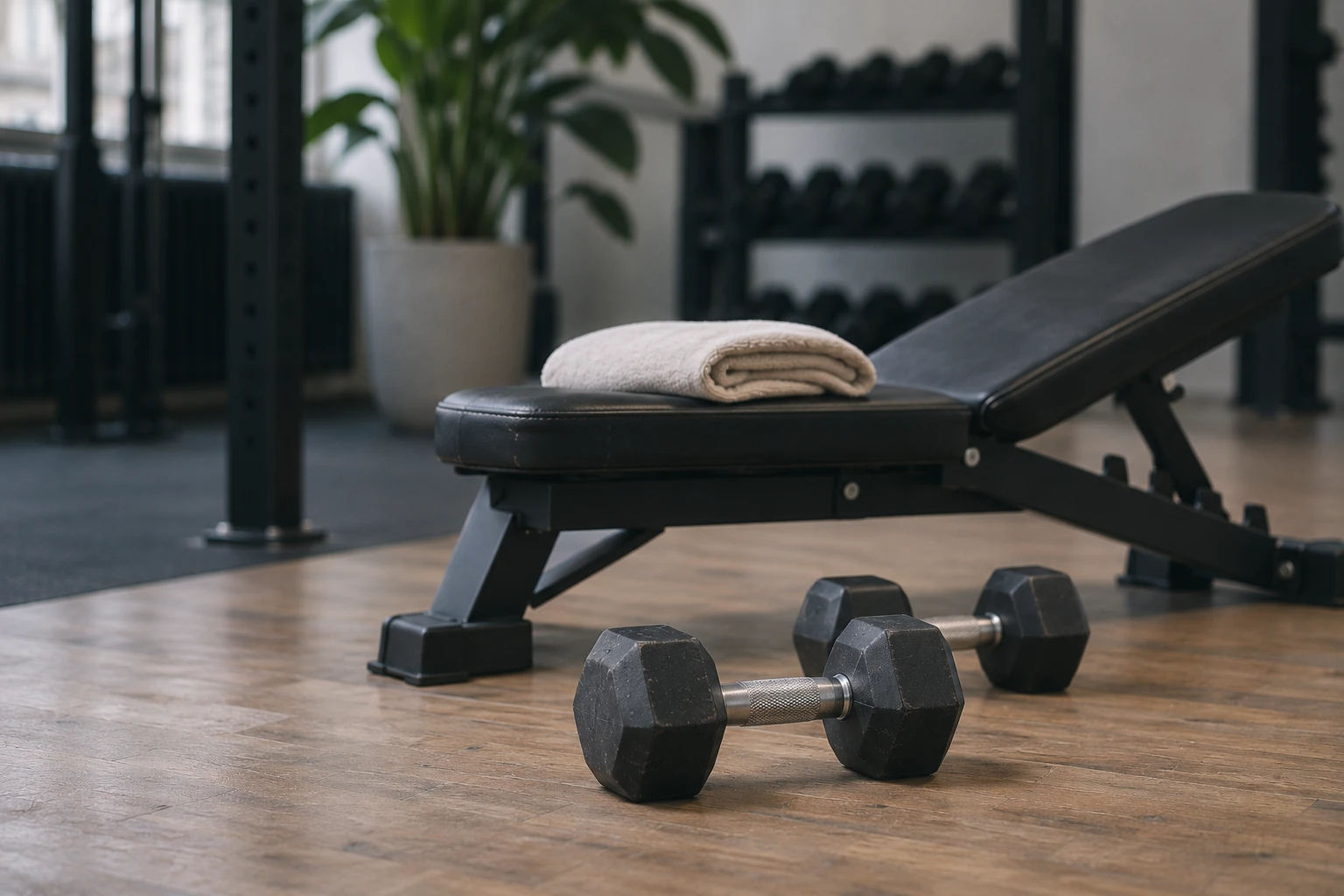
Two hex dumbbells on the wood floor beside an incline bench with a folded towelStrength
All levels·60 min

Strength from the start

Squat, hinge, press, pull. Learned slowly, loaded carefully.

Who this is for

Women who want to get stronger and feel at home in a gym, with or without experience.

How training is adapted

The heavy days go where you feel strong. After a bad night or on a low day the load comes down and the session still counts.

What progress looks like

A plate more on the bar every few weeks, with sleep and energy watched alongside.

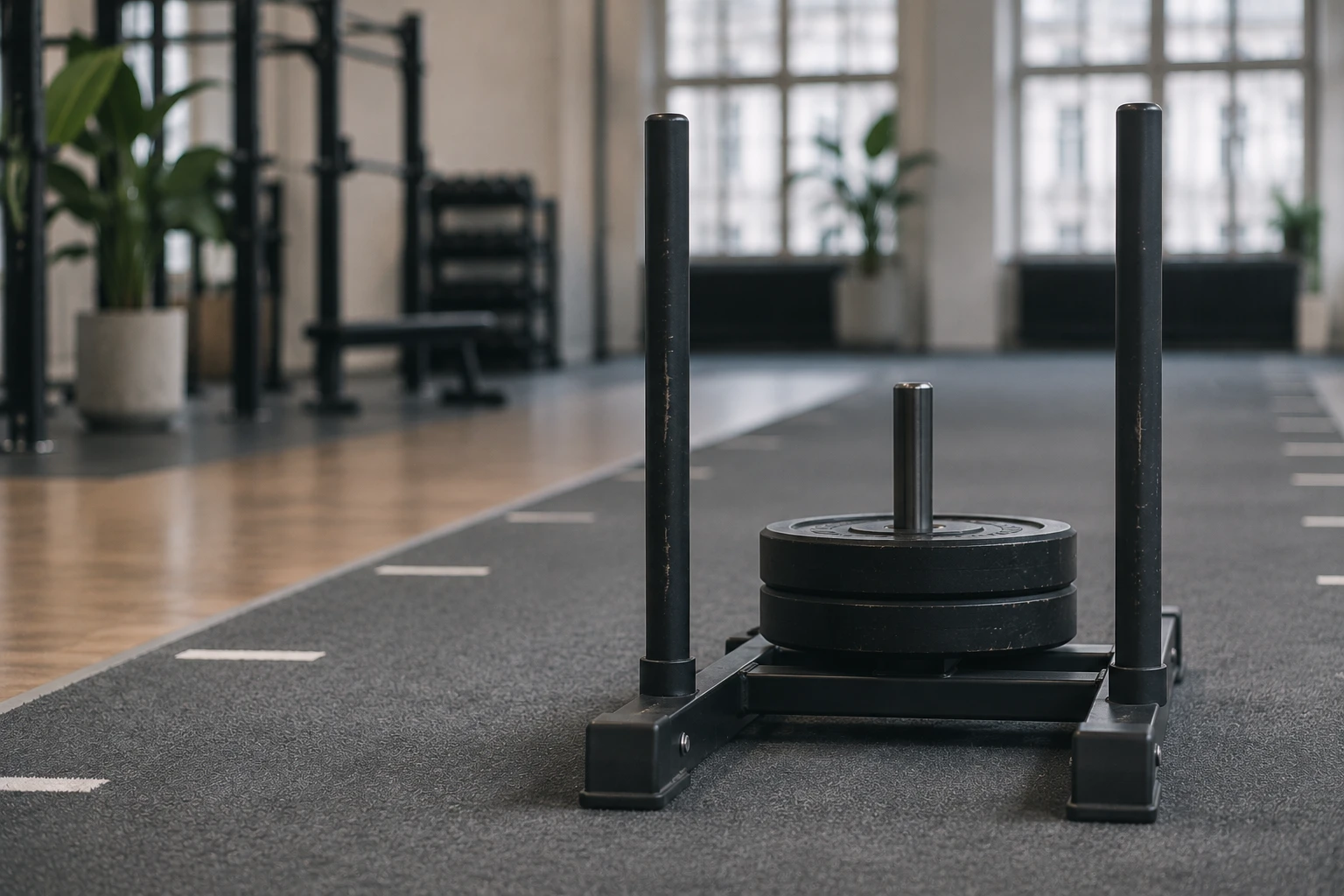
A loaded prowler sled on the grey turf laneBody composition
All levels·60 min

Fat loss and body composition

Lifting first, conditioning timed to your month, no crash diet.

Who this is for

Women who want to lose fat and keep their strength.

How training is adapted

Lifting stays first. Conditioning comes in small doses, on the days you have the energy for it.

What progress looks like

Strength kept while the scale moves, and habits that survive a bad week.

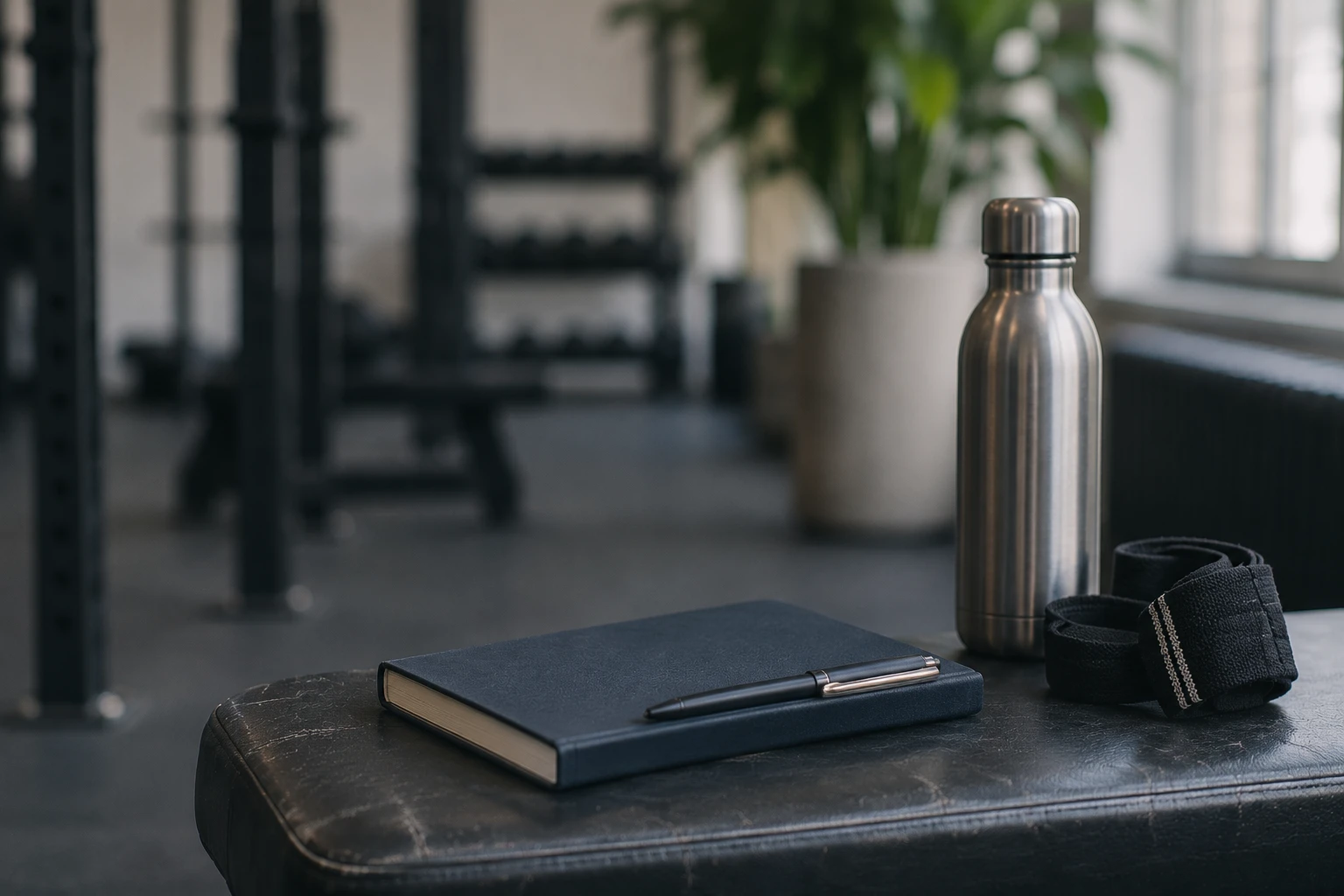
A closed navy training notebook with a pen, a steel bottle and a wrist wrap on a benchHormonal
All levels·60 min

Cycle and hormone-aware coaching

Every session starts with where you are in your month.

Who this is for

Any woman who wants a plan that knows some weeks are lighter than others.

How training is adapted

A two-minute check-in on cycle, sleep and energy decides the load for the day. No cycle, or an irregular one? We go by how you feel.

What progress looks like

Fewer weeks that feel like failure, because the light weeks are planned.

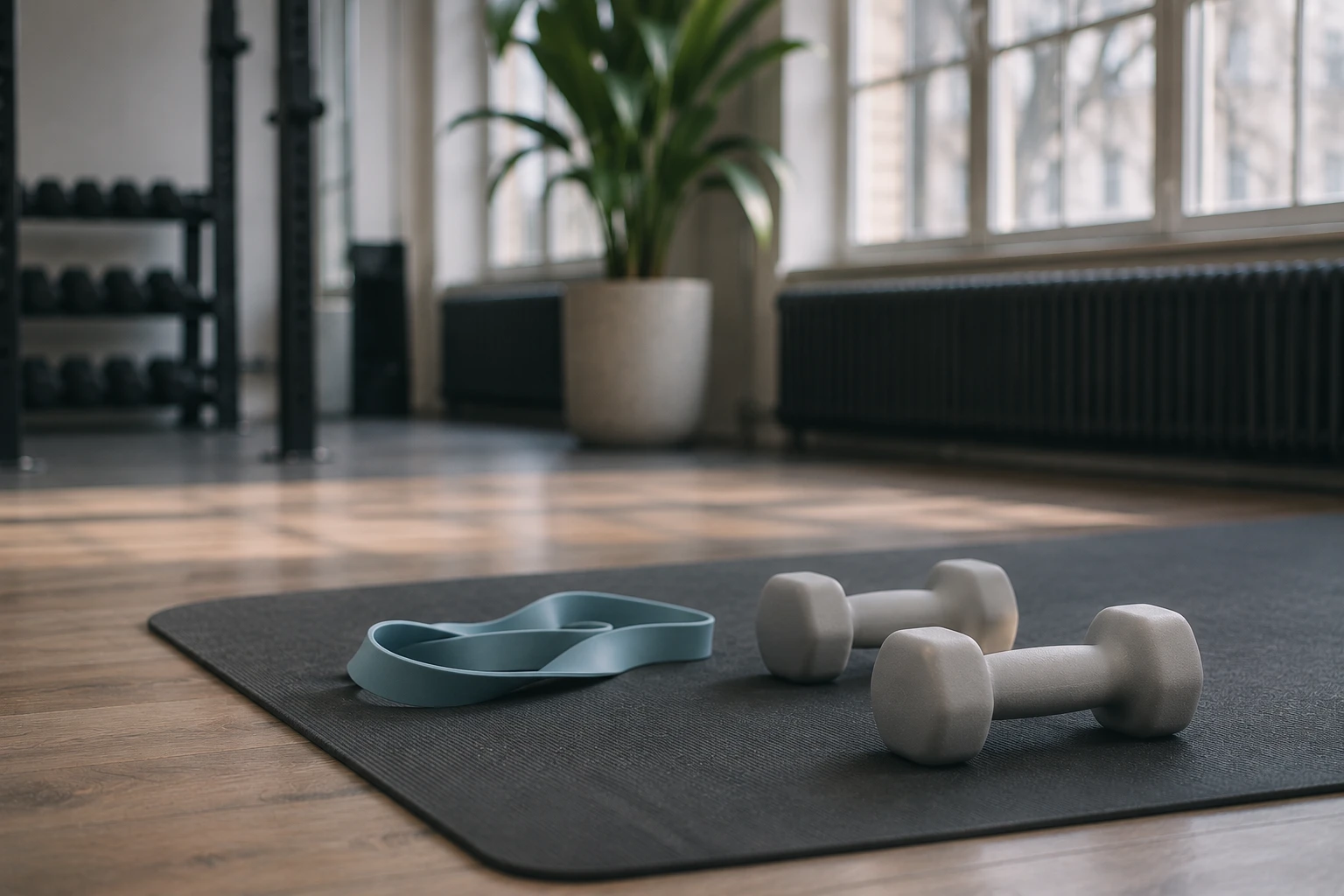
Two light dumbbells and a pale blue band on a mat by the windowLife phases
Medical clearance·60 min

Pre- and post-pregnancy training

Trimester by trimester, then step by step after the birth.

Who this is for

Women preparing for pregnancy, currently pregnant or in postpartum recovery.

How training is adapted

A plan for each trimester, and after the birth pelvic floor and core first. We start once your doctor or midwife has cleared you.

What progress looks like

Breathing, then core, then weight, then impact, each step when you are ready.

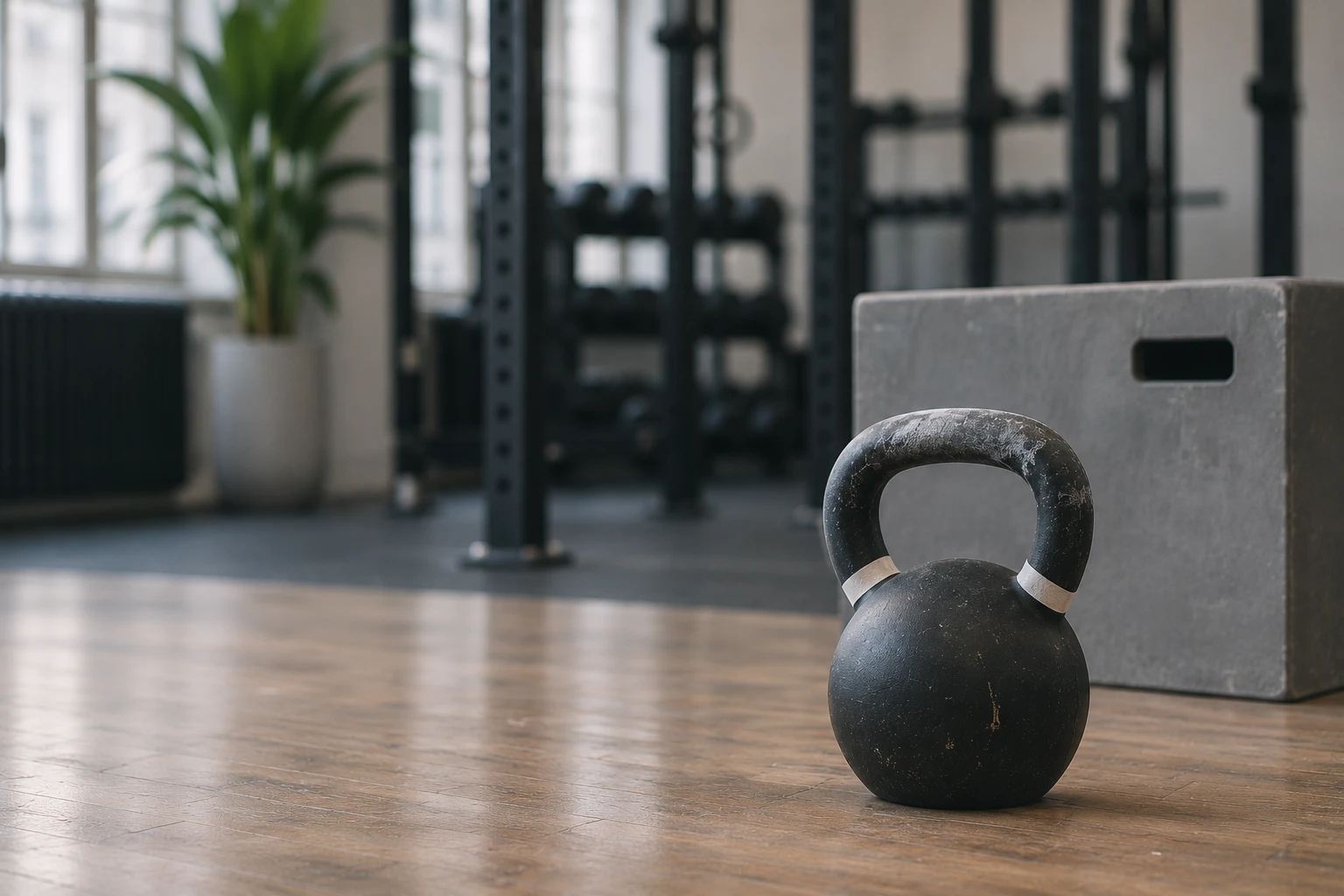
A chalked kettlebell on the wood floor in front of a grey plyo boxLife phases
All levels·60 min

Menopause support

Two heavy lifts a session, long rests, protein and sleep written into the plan.

Who this is for

Women in perimenopause or after who want to keep their muscle and their strength.

How training is adapted

Simple heavy lifts, long rests, and a plan that bends when the night was short.

What progress looks like

The weight on the bar goes up, and the month gets a little more predictable.

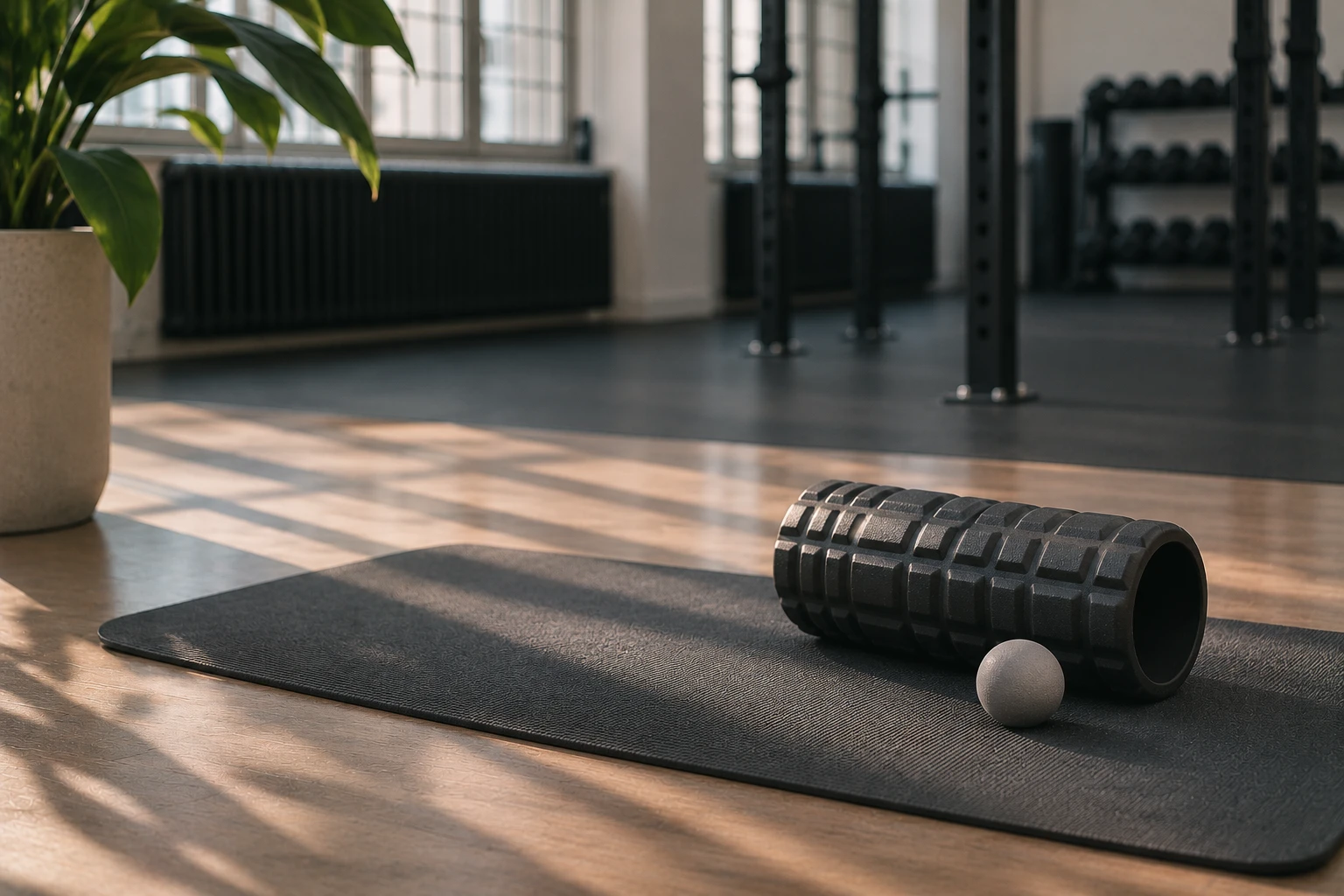
A mat with a foam roller and a small ball in morning lightPain-sensitive
All levels·60 min

Endometriosis and pain-sensitive training

Every week written twice, a normal day and a flare day. You choose on arrival.

Who this is for

Women with endometriosis, PCOS or chronic pain who cannot know in advance how the day will be.

How training is adapted

We leave out what triggers pain, and every week has a flare version ready.

What progress looks like

Fewer sessions lost to a flare, because the flare version counts.

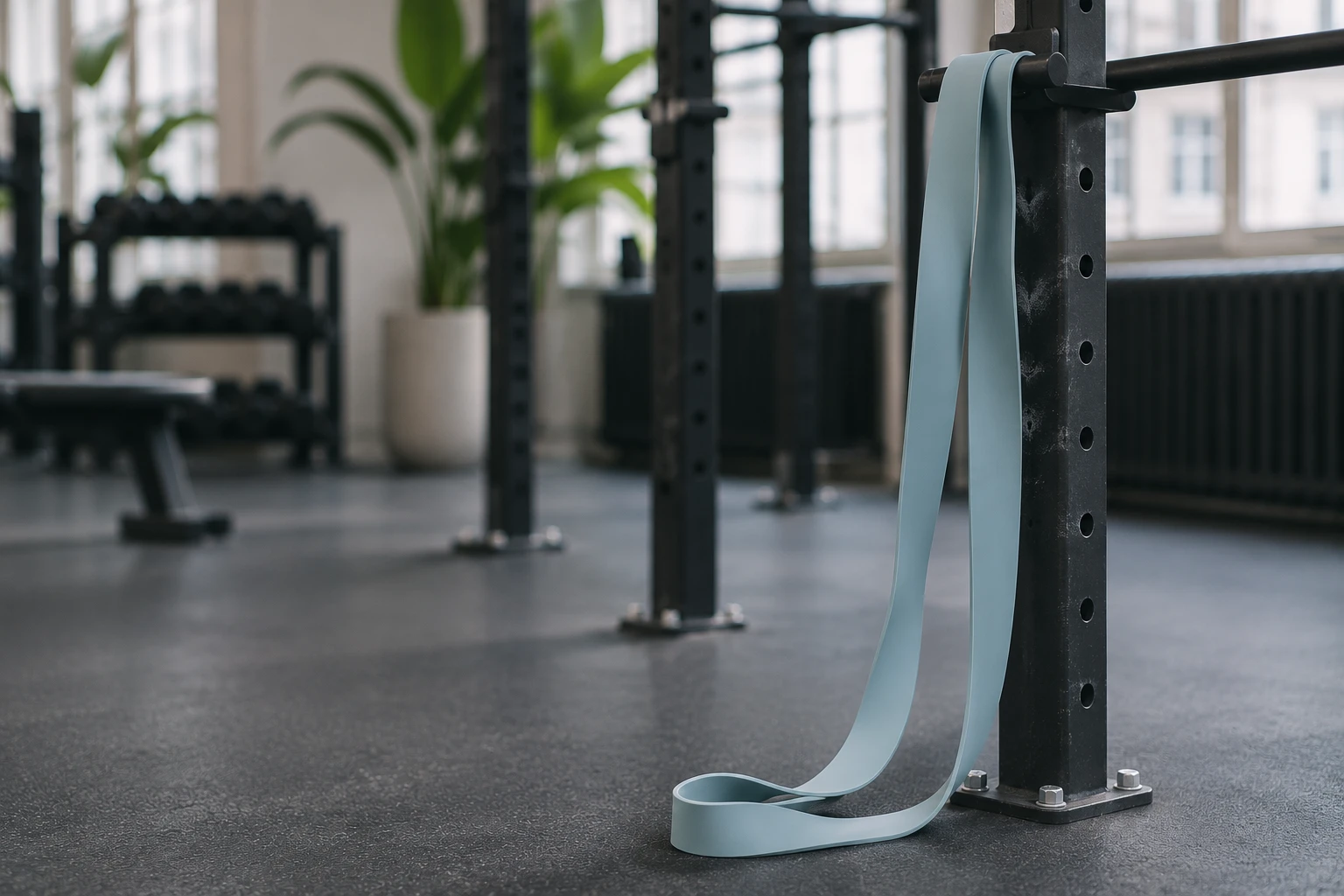
A pale blue resistance band looped around a rig uprightPosture
All levels·60 min

Posture and recovery

Desk shoulders, tight hips, an old injury: the work on it is built into every session.

Who this is for

Women with desk jobs, constant tension or an old injury who want to move more freely.

How training is adapted

We look at how you move in the first session and build the corrective work into every hour after it.

What progress looks like

Better range in the hips and shoulders, measured every four weeks.

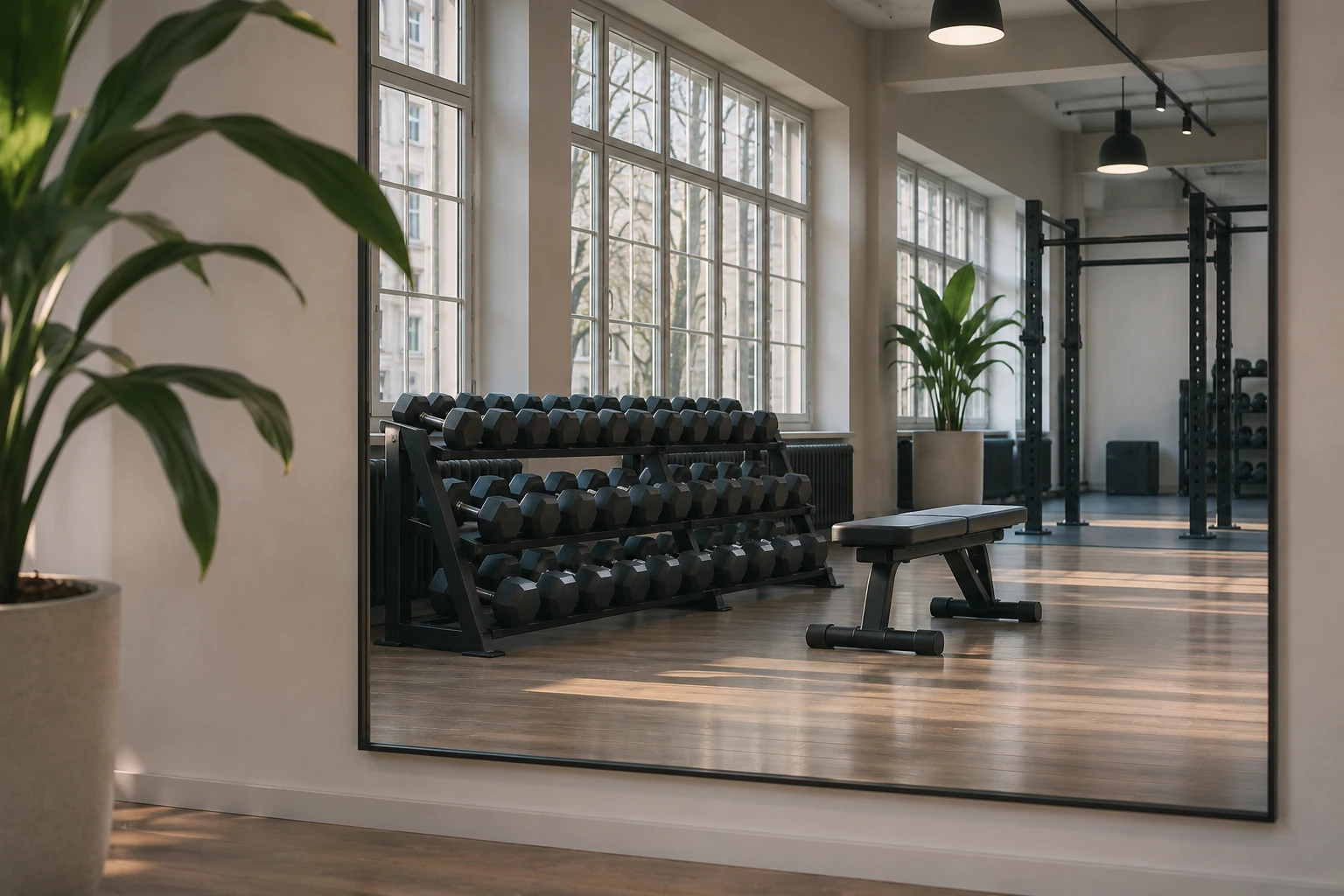
The free-weights corner seen in the wall mirror: a dumbbell rack, a bench and the windowsBody composition
Regular training·60 min

Training for a date on the calendar

A wedding, a race, a holiday: we work back from the date and keep the lighter weeks in.

Who this is for

Women training toward a date: a wedding, a race, a holiday, a first competition.

How training is adapted

We count the weeks back from the date and plan the lighter ones in.

What progress looks like

A plan with the date on it, and nothing crammed into the last two weeks.

The process

How your plan is made

The same four steps for all nine starting points.

Step 1

We look and listen

How you move, your history, your cycle, what you want. In the free session.

Step 2

Your plan is written

Around your calendar and the lifts you already know.

Step 3

Loads set every session

By how you slept, how you feel and where you are in your month.

Step 4

Reviewed every four weeks

Fifteen minutes on what moved, then the next small goal.

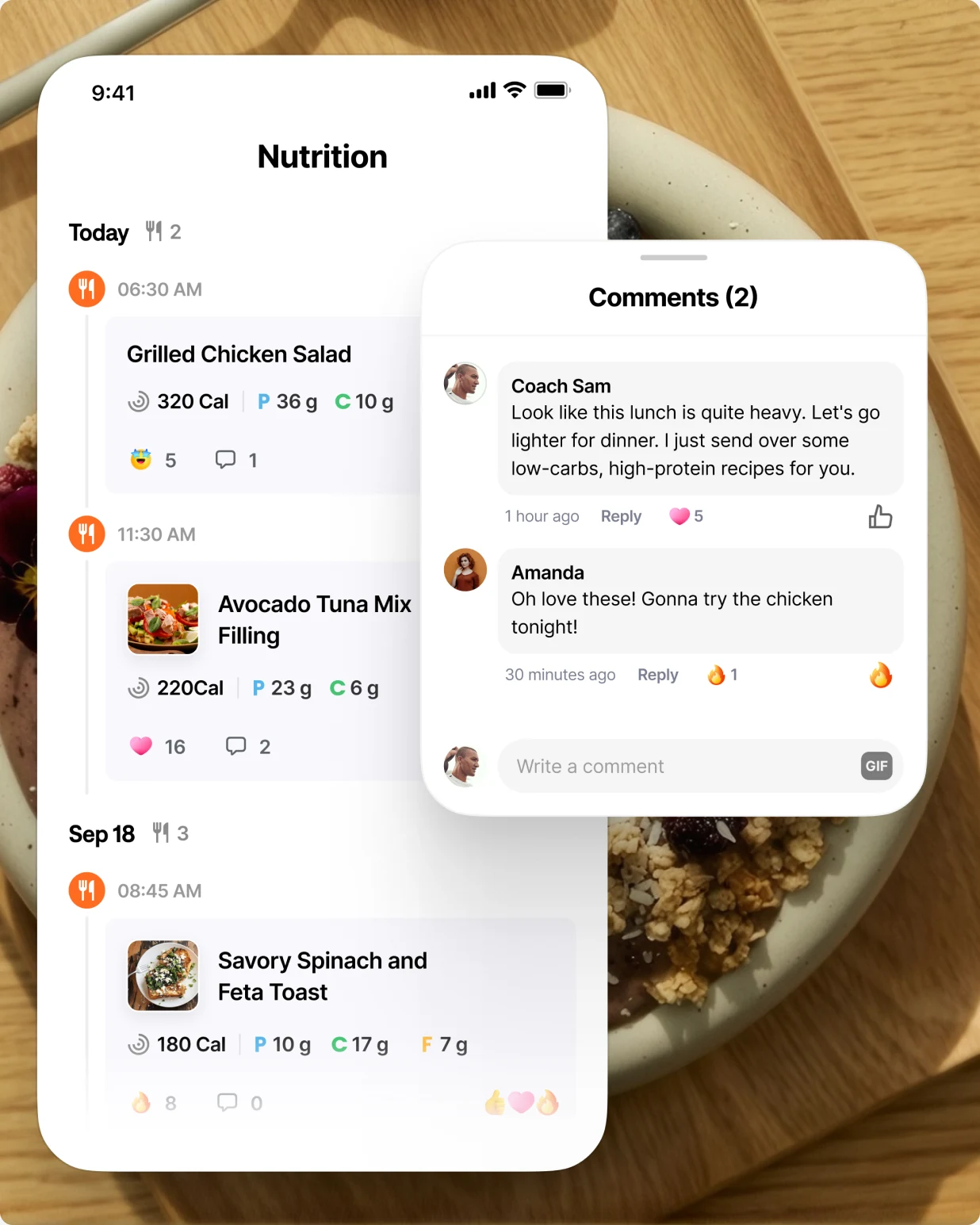
With your personal trainingThe HERA coaching appYour sessions with a video for every exercise, a food journal and your habits. Your coach writes it and sees what you log.See the app
Pain-sensitive training

A normal day and a flare day, both planned

With endometriosis, PCOS or chronic pain you cannot know which body will turn up. So every week is written twice.

The same hour

A normal day

0:00Check-in: pain, energy, sleep
0:10Warm-up for the day's lifts
0:20Main lift at the planned load
0:40Accessory work, conditioning if energy allows
0:55Cool-down and next-week notes
The same hour

A flare day

0:00Check-in: pain, energy, sleep
0:10Breathing and gentle mobility
0:25Walking or light carries, your call
0:40Pelvic floor work
0:45Home early, the session counted

You do not cancel a flare day. You come, and we decide together. If it keeps you at home, tell us and we move the session, even inside the 24 hours.

Evidence

Three numbers behind the method

Published studies we build on. They describe groups, not a promise for you. How the cycle shapes the plan.

2×

the strength gain

In one small study, women who did most of their heavy training in the first half of the cycle gained about twice the leg strength of those who did it in the second.

Sung et al., SpringerPlus, 2014
2 to 3×

the ACL injury rate

Female athletes tear the cruciate ligament two to three times as often as men in comparable sports. So the warm-up is never skipped.

Prodromos et al., Arthroscopy, 2007
3× a week

of resistance training

In a 16-week study, women with PCOS who lifted three times a week gained lean mass and their androgen levels fell.

Kogure et al., Medicine and Science in Sports and Exercise, 2016
Start with a free trial session

Not sure which program? Start with a conversation

A conversation, a movement screen and a few light lifts. Then we tell you where we would start.